01
Physical security
Translate threat and vulnerability assessments into practical guarding models, patrol logic, escalation paths and post orders.
- Risk-based staffing
- Perimeter and floor coverage
- Incident command protocols
Industry access notice
Talmero Vexa publishes B2B information about casino security. We do not offer gambling, accounts, deposits, bonuses or wagering of any kind.
Please confirm that you are 18 years of age or older.
Your confirmation is stored only for this browser session.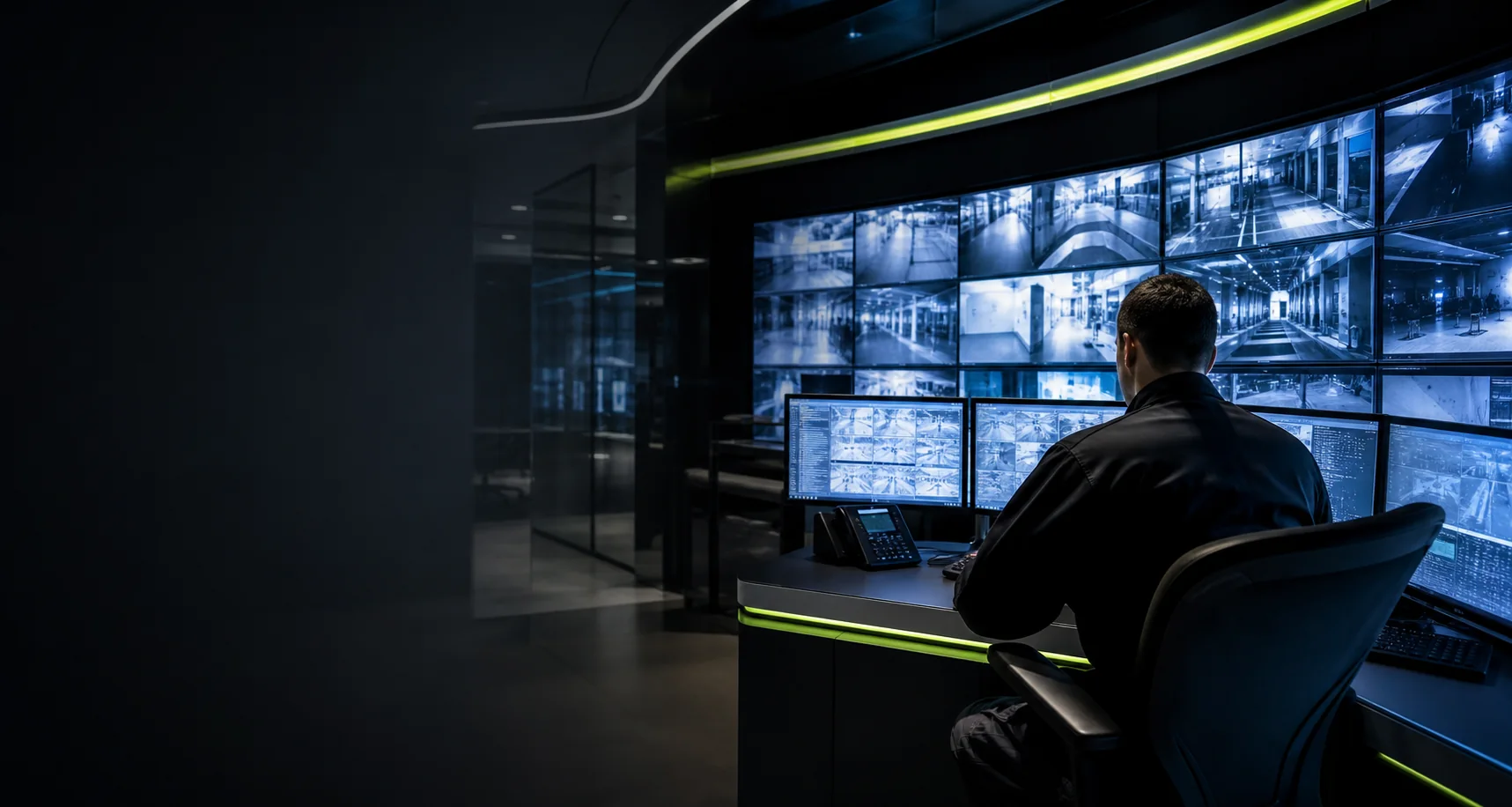
Canadian casino security intelligence
A practical B2B resource for casino operators, security leaders and technology teams designing safer venues—from the property perimeter to the transaction trail.
Informational onlyNo gaming services
Canadian contextPrivacy-aware guidance
Vendor-neutralOutcome-led planning
The operational reality
Gaming floors combine dense public traffic, regulated operations, cash-equivalent assets, sensitive personal data, restricted areas and a constantly changing threat picture. A camera upgrade alone cannot solve that complexity.
Effective protection comes from coordinating people, procedures, architecture and technology. Talmero Vexa maps those layers into a coherent security model that decision-makers can assess, test and improve.
Read the operating principlesSix connected disciplines
Each discipline solves a different problem. The value appears when events, responsibilities and evidence move cleanly between them.
Translate threat and vulnerability assessments into practical guarding models, patrol logic, escalation paths and post orders.
Design observable environments with the right image detail, retention logic, operator workflows and resilient recording architecture.
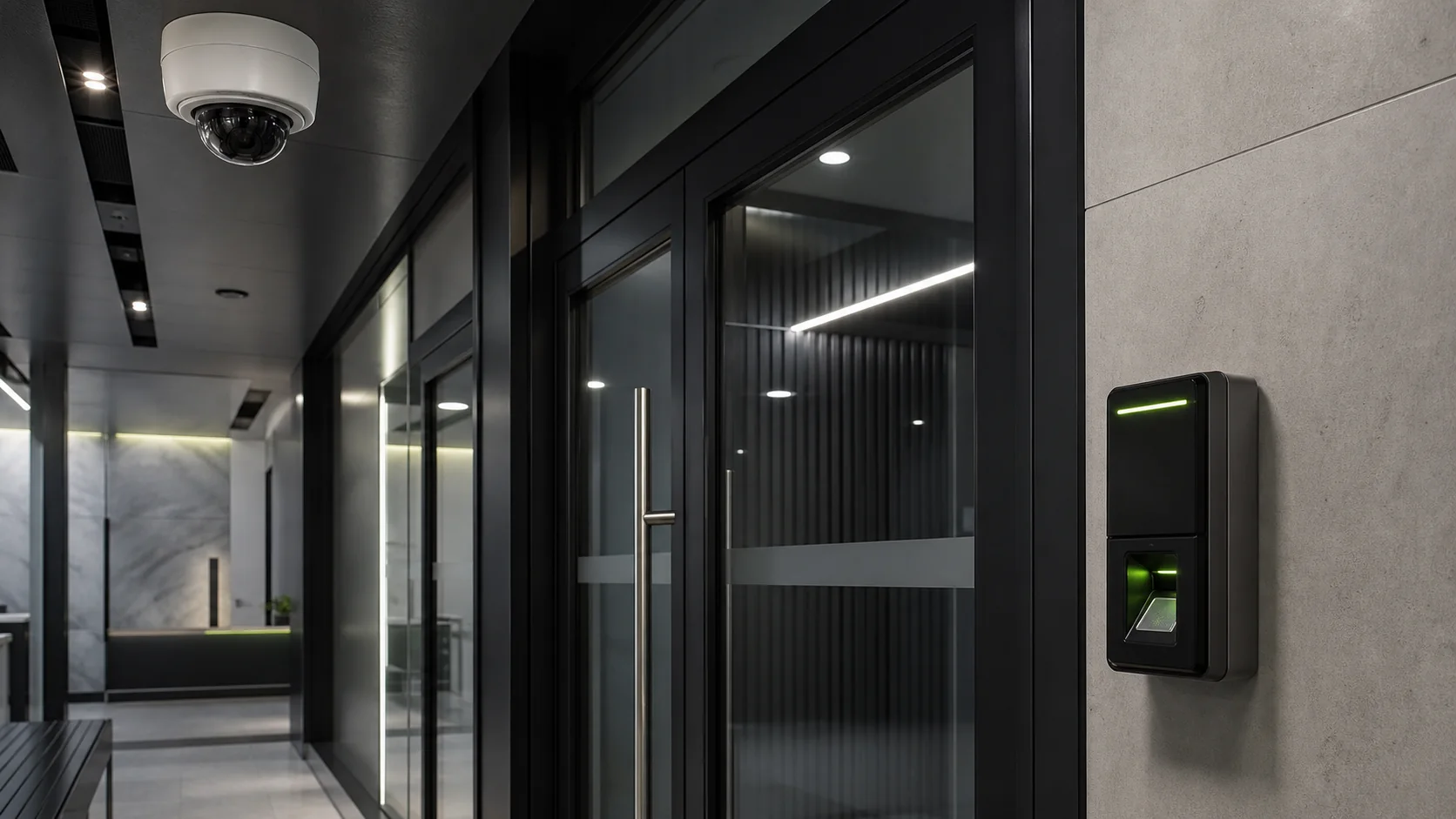
Apply least-privilege access to cash rooms, surveillance spaces, cages, data rooms and staff-only circulation routes.
Evaluate biometric use cases against proportionality, consent, accuracy, data governance and operational fallback requirements.
Connect behavioural indicators, transactional anomalies and physical evidence without treating every irregularity as proof.
Specify fit-for-purpose devices, power, network, environmental tolerance and maintenance plans around operational outcomes.
One operating picture
A door-forced alarm, a video analytic and a transactional exception may describe the same event. Integration makes that relationship visible. Operating design determines what happens next.
A disciplined path
Security programs become defensible when each decision traces back to a documented risk, an accountable owner and a measurable control.
Map assets, people, high-risk processes, legal obligations, peak conditions and credible threat scenarios.
Review policies, physical barriers, camera coverage, permissions, evidence handling and real operator behaviour.
Rank remediation by consequence, likelihood, control strength, dependency and operational disruption.
Define performance requirements, integration points, privacy safeguards, fallback modes and acceptance criteria.
Validate with drills, audits, red-team scenarios, maintenance records and post-incident learning.
Field notes
Use these principles as discussion prompts—not as a substitute for a site-specific assessment, legal advice or regulator direction.
Every control needs someone accountable for configuration, response, maintenance and review. Unowned technology gradually becomes an undocumented risk.
Accountability before automationVideo and biometric data can be highly sensitive. Define purpose, access, retention, disclosure and deletion before deployment—not after collection begins.
Proportionality by designPower, network and platform failures should lead to known, safe states. Document how identity, access, recording and communications continue during disruption.
Failure should be predictablePrivate-sector privacy obligations can arise under federal PIPEDA and substantially similar provincial laws, with additional rules depending on province, sector and data use. Biometrics, employee monitoring, disclosure to law enforcement and cross-border processing deserve specific review. Consult qualified privacy counsel and the applicable gaming authority before implementation.
Questions, answered
Security decisions should be explainable to operators, executives, auditors and privacy stakeholders.
No. Talmero Vexa is an informational B2B project focused exclusively on safety and security in the casino industry. There are no player accounts, games, wagers, deposits, withdrawals, bonuses or affiliate offers on this website.
Modern incidents routinely cross boundaries. A credential can be misused at a door, associated with activity on video and connected to a transaction exception. Joint planning improves context, preserves evidence and reduces gaps between teams.
Not automatically. The purpose, necessity, proportionality, accuracy, legal authority, alternatives and consequences of error should be assessed first. Less intrusive controls may often meet the same objective.
There is no universal number appropriate for every site. Retention should consider applicable gaming rules, privacy obligations, investigation needs, storage resilience and the principle of keeping personal information no longer than necessary.
A documented purpose, understandable logic, validated data, proportional thresholds, human review, preserved evidence and an appeal or correction path. An alert is an investigative lead, not a finding of guilt.
No. The information here is general education. A meaningful assessment requires site context, stakeholder interviews, documentation review, observation and alignment with applicable law, regulation and internal risk appetite.
Build the complete picture
Start a focused, confidential conversation about operational risk, technical architecture and the questions your next security review should answer.
hello@talmerovexa.com